
About Brad
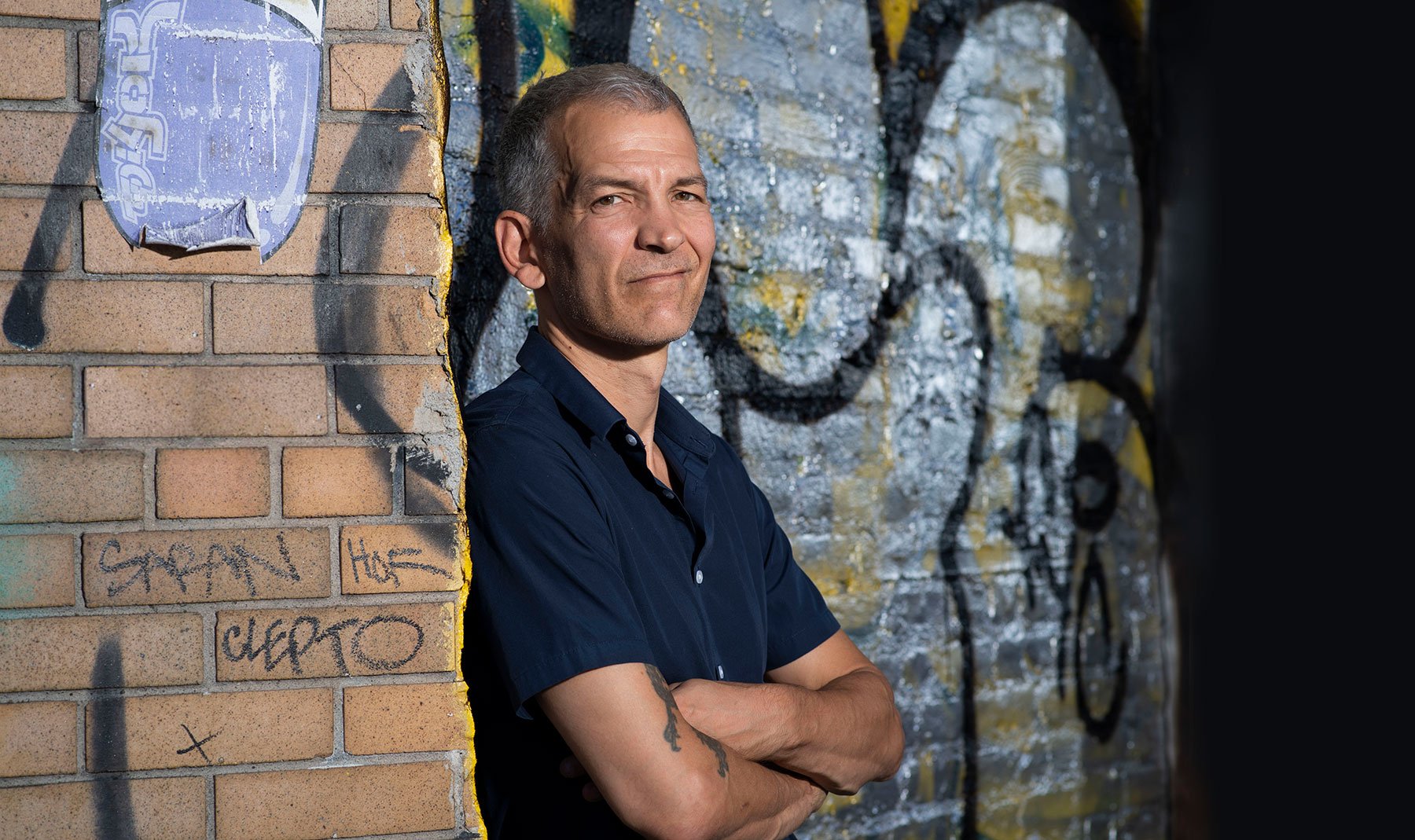
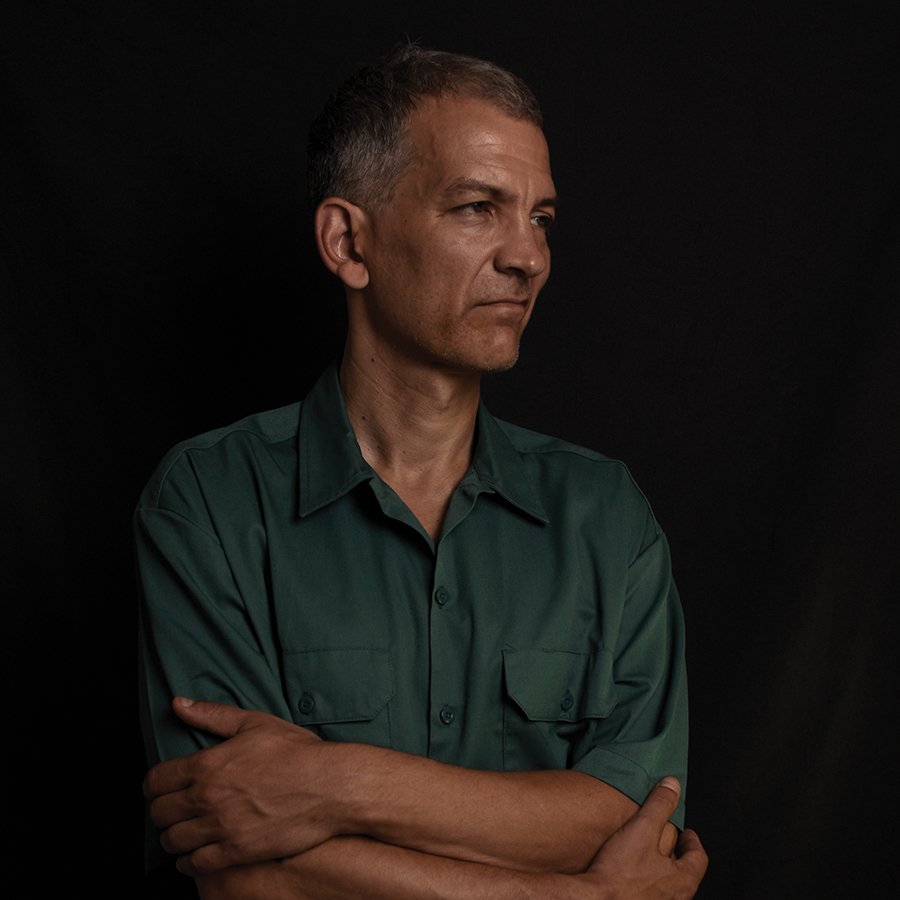
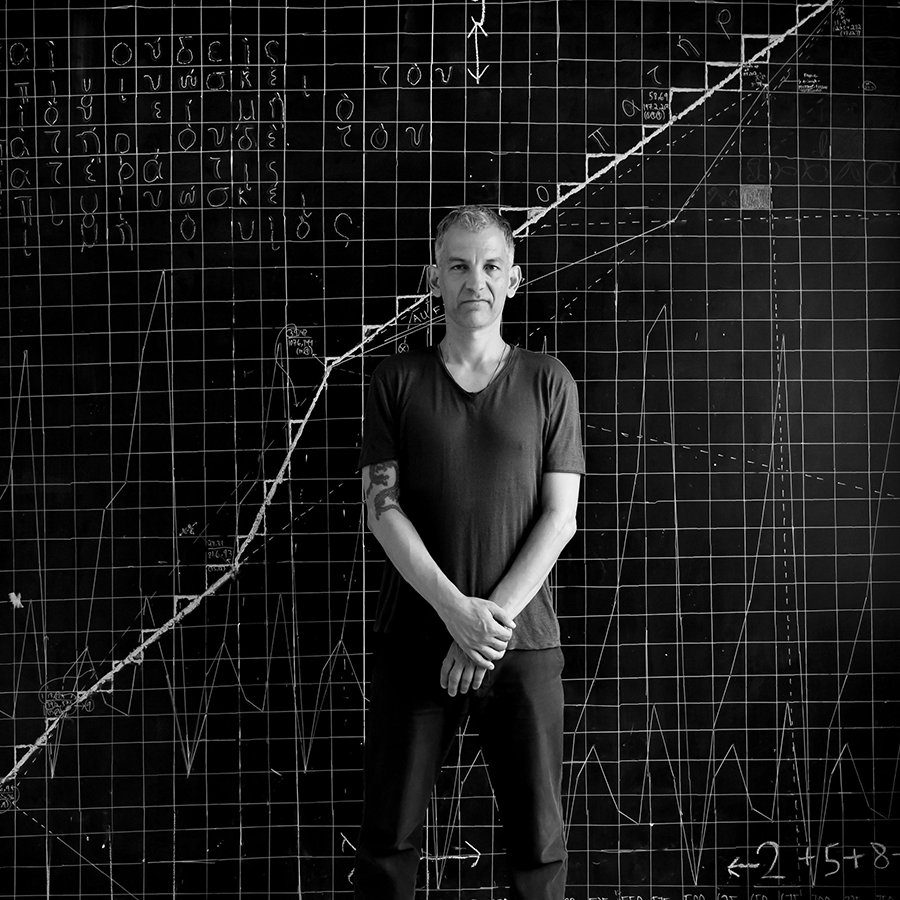
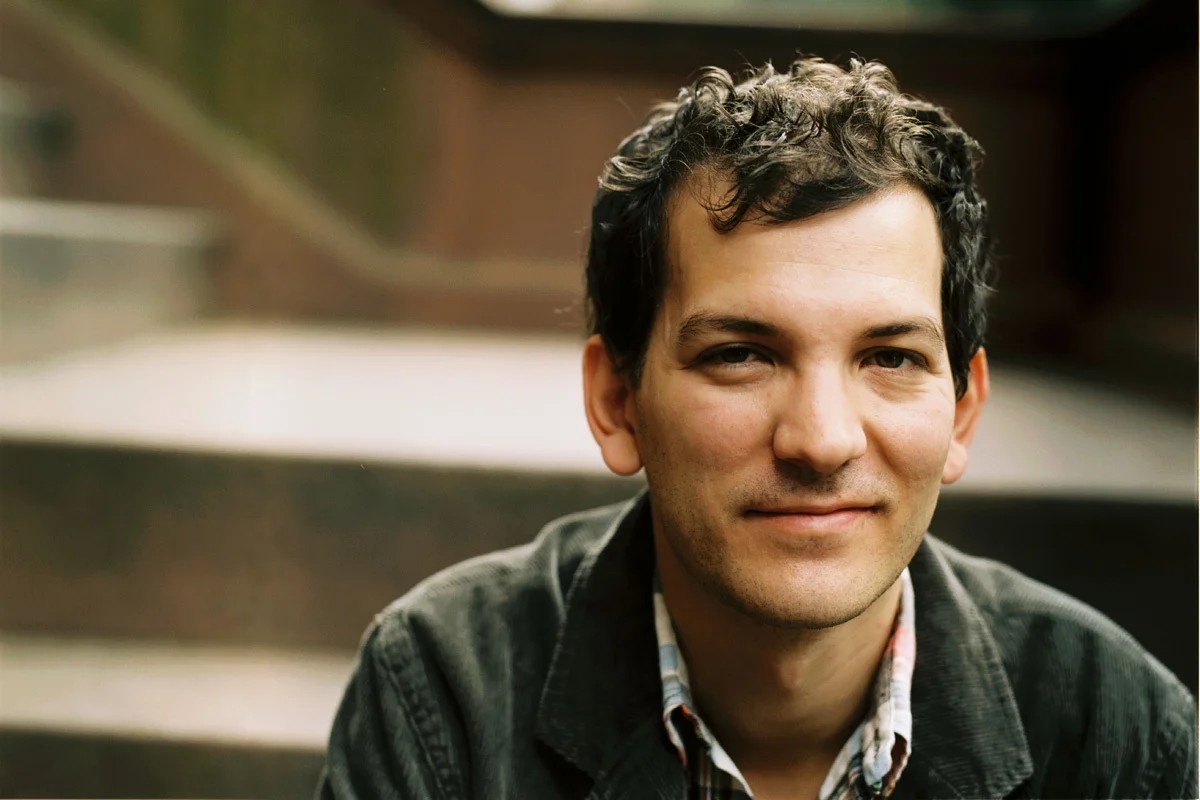
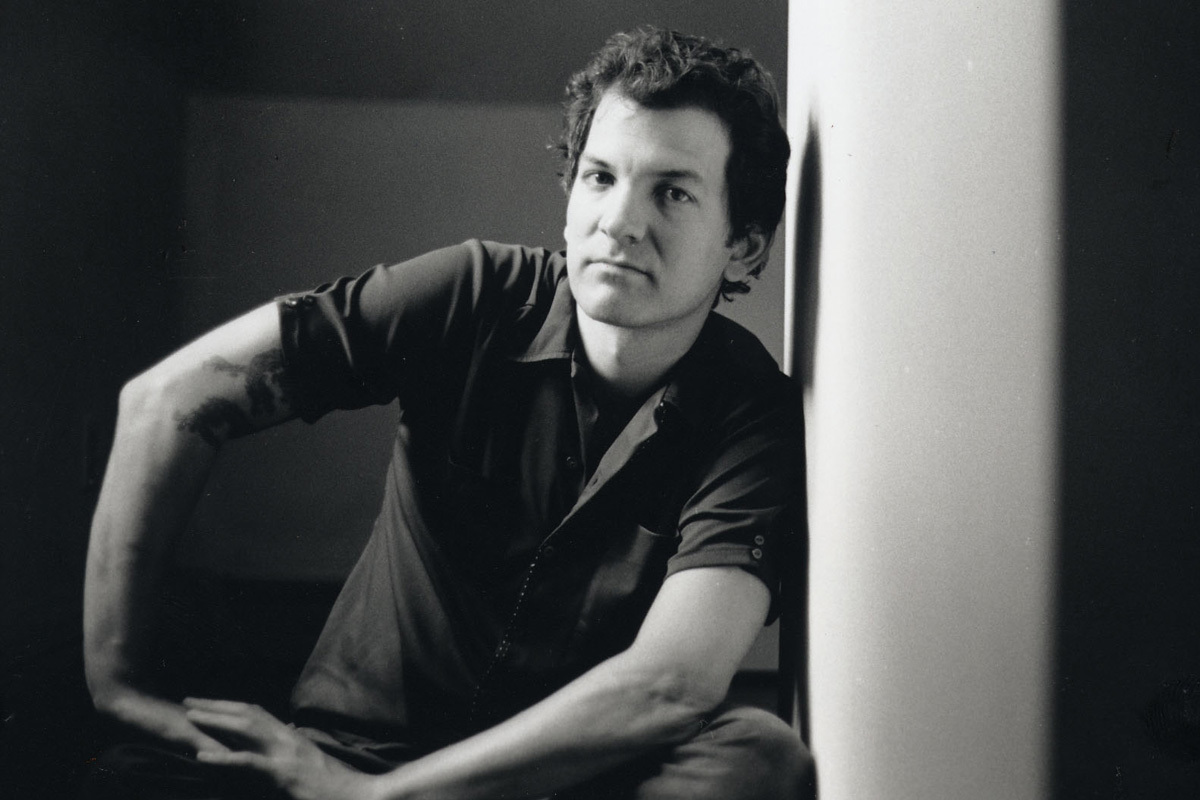
Brad Mehldau is, as a 2023 New Yorker article put it, “arguably the greatest working jazz pianist.” That’s certainly accurate, though it still somehow undercuts the expansive range of his gifts. He emerged, quickly and decisively, as a kind of jazz sensation over three decades ago and has since then widened the parameters of the genre while racking up triumphs in other disciplines. Along the way, Mehldau has found ingenious, probing strategies for blending his various passions, locating the conduits that connect jazz with rock, pop, poetry and so many other interests, including the German Romanticism that has given his work such visceral emotional impact. In the process, he’s become one of the most influential musicians alive.






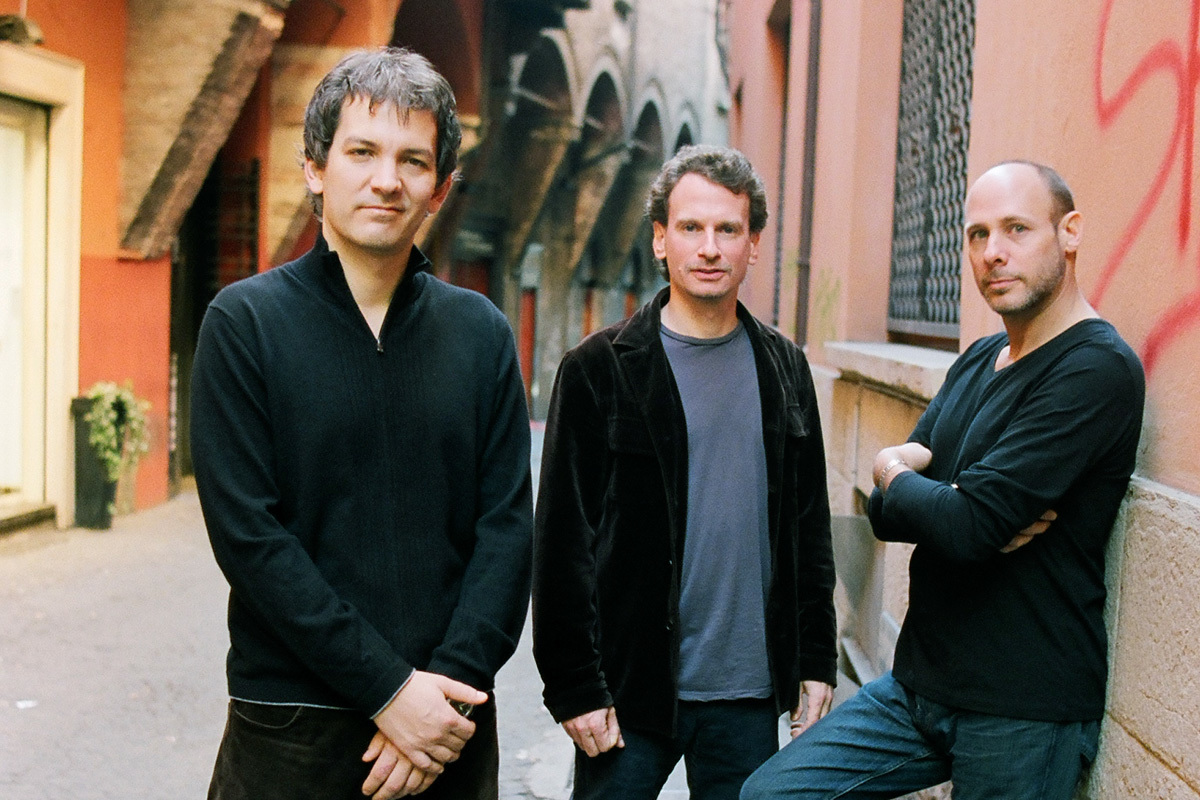


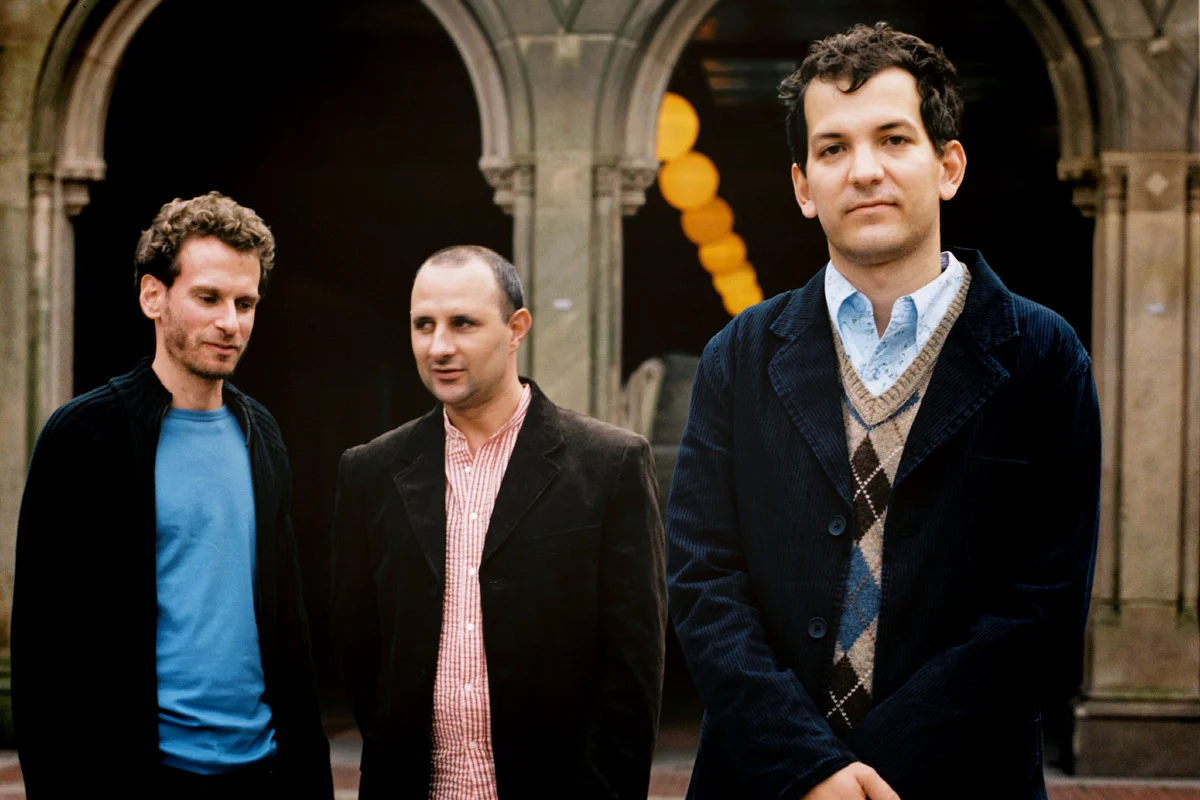

The revelations and innovations were there from the start. Beginning in the mid-1990s, when Mehldau and his bandmates, the bassist Larry Grenadier and the drummer Jorge Rossy, were still in their 20s, they architected a fresh and singular aesthetic for the jazz piano trio. Their performances ushered forth a series of remarkably fluid incongruities: lyrical and inward-looking but also exciting and rhapsodic, exploring odd time and challenging ideas about interplay while making everything feel effortless and wondrous. Somehow, Mehldau put the two most prominent aspects of his art — his soul-deep probings as an improviser and his love of song form — on equal footing.
In 1996, the trio began releasing a series of five albums under the banner The Art of the Trio, furthering the band’s clairvoyance and underscoring Mehldau’s willingness to widen the jazz repertoire. For Songs: The Art of the Trio Volume Three, released in 1998, he chose “Exit Music (For a Film),” by Radiohead, and “River Man,” by the enigmatic singer-songwriter Nick Drake. The curation was completely organic — as a Gen-X jazz musician, Mehldau pored over standards while enjoying the continuing developments in rock — but the impact was seismic.
Mehldau proved that alt rock and other contemporary styles could stand tough as stirring vehicles for improvisation — commercial concessions these performances were not — and jazz’s bleeding edge has reflected that breakthrough ever since. Well before age 30, the pianist was a staple of jazz culture. His trio performances at the Village Vanguard became mandatory for anyone interested in the state of the art form. He’d developed an improvisational language that musicians even younger than himself felt compelled to deconstruct.
In 1999, Mehldau released his first solo-piano album, Elegiac Cycle, and firmed up his distinctive approach to a well-traversed format. In place of extrapolations on standards, he offered a wide-ranging series of improvisation-rich pieces informed deeply by classical music, and by the circular narrative innovations of James Joyce’s Ulysses. That tome also informed the following year’s Places, a travelogue in sound that added trio tracks to solo performances. He teamed with the producer and musician Jon Brion to helm 2002’s Largo, a fusion of jazz notions and experimental pop that would gain outsize influence and help define the sound of improvised music in the 21st century.
Sonically daring and brilliantly textured, Largo saw Mehldau and Brion bond over a melodic sensibility of cinematic bittersweetness, on a program of originals and covers of Radiohead, Lennon-McCartney and Jobim. “I’ve seen people form bands based around individual tracks on that record,” Brion told the New York Times. In an effort to revisit their collaboration without rehashing it, Mehldau and Brion crafted 2010’s Highway Rider, tapping players including saxophonist Joshua Redman and incorporating a chamber orchestra. Redman had been a vital figure in Mehldau’s career from its start, when the pianist joined two generation-defining peers — bassist Christian McBride and drummer Brian Blade — in the saxophonist’s quartet. Their chemistry was documented first on Redman’s landmark 1994 album MoodSwing, and then on Mehldau’s 1995 Warner Bros. debut, offering an unassumingly virtuosic complement to the more idiosyncratic Grenadier/Rossy axis. Mehldau and Redman distilled their rapport to its telepathic essence for the duo record Nearness, recorded live on tour in 2011.
Two-thousand-four saw the release of Live in Tokyo, a sterling example of the Mehldau solo-concert experience. More acclaimed documents of Mehldau’s solo recitals would follow, among them Live in Marciac (2011) and 10 Years Solo Live (2015), a sprawling box set of performances melding jazz, classical and reimaginings of pop gems. In 2005, after the Mehldau/Rossy/Grenadier trio had appeared together on 10 albums, the pianist introduced a new trio with Day Is Done. With Grenadier retained, the new band featured drummer Jeff Ballard, whose touch was, like Rossy’s, deftly interactive, though less airy and more robust. This unit would appear on nine albums together, the last of which was 2018’s Grammy-nominated Seymour Reads the Constitution!
In late 2005, Mehldau teamed up with one of his heroes, the guitarist Pat Metheny, for two projects: the following year’s Metheny/Mehldau, a mostly duo affair with Ballard and Rossy joining on two tracks, and 2007’s Metheny/Mehldau Quartet, featuring that rhythm section throughout. On both albums, the co-leaders contribute original music and find exhilarating common ground, relishing their shared intuition for melody and the ecstasy of a swinging postbop unit in full flight.
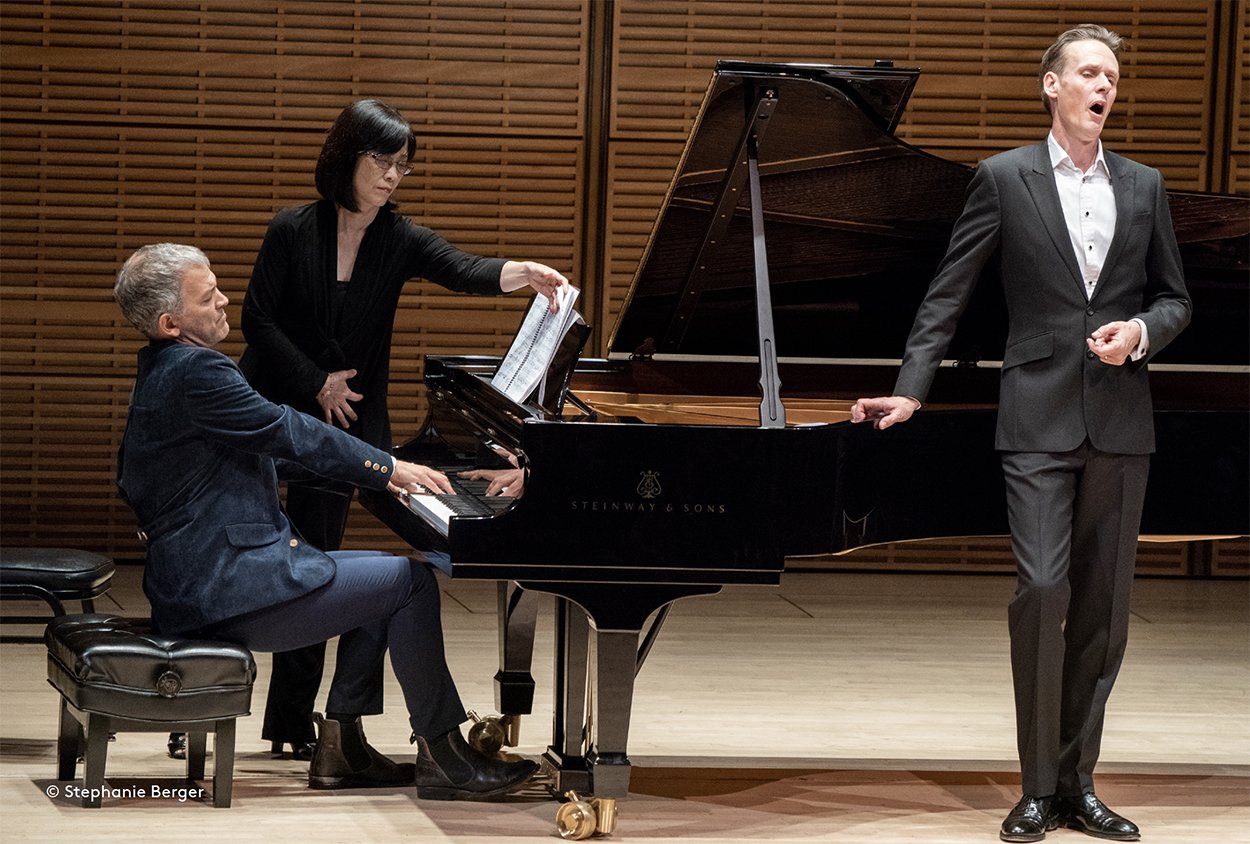
In the same year Mehldau debuted his Metheny collaboration, he premiered another pairing that found him exploring his long-held passions for poetry, art song and classical storytelling. Featuring the soprano Renée Fleming, Love Sublime showcased Mehldau’s kaleidoscopic music for poet Rainer Maria Rilke’s The Book of Hours. Similarly, for 2007’s Love Songs, a two-disc project with the mezzo-soprano Anne Sofie von Otter, Mehldau created settings for a diverse collection of love poems and songs by Sara Teasdale, E.E. Cummings, Philip Larkin, Joni Mitchell and others.
Mehldau was 35 years old at the time Love Sublime was released, an age that might portend creative cruise control, or at least a dialing back of sheer, unadulterated artistic ambition. Not so with Brad Mehldau, who’s spent the last two decades in a mode of creative fearlessness. Indeed, to peruse his discography on paper is to wonder how such variegated projects can come from the same artist. But the secret to his alchemy is to find the through lines, and to have cultivated a pianistic touch and a lyrical/harmonic bent that are intensely personal regardless of the context.
In 2013, he collaborated with the Orpheus Chamber Orchestra to record Variations on a Melancholy Theme (released in 2021), which feels like the score to a film masterwork that has yet to be made. With the groove-savvy drummer Mark Guiliana, he formed the duo Mehliana and released 2014’s Taming the Dragon, a panoramic work of electronics-fueled postmodernism. Alongside the acoustic-music phenom Chris Thile, he took his sound to rootsier environs on a self-titled 2017 release, featuring original music along with covers of Joni Mitchell, Bob Dylan and others.
Over the past decade, Mehldau has put forth some of his most audacious work yet, on vastly different scales. The Grammy-winning Finding Gabriel, released in 2019 and featuring an outsize cast of all-star collaborators, is a beyond-genre tour de force inspired by Mehldau’s study of the Bible. Jacob’s Ladder, from 2022, boasts a similarly broad lineup, and pulls more directly from the progressive rock that was one of Mehldau’s earliest musical loves. Both projects nimbly pair acoustic and electronic, comfort and dissonance, and past and future in ways that can sound positively surreal.
As a solo pianist he’s been no less intrepid. Suite: April 2020 is Mehldau’s beautiful and accessible meditation on the pandemic experience. On the albums After Bach (2018), After Bach II (2024) and Après Fauré (2024), Mehldau mixes classical repertoire with original music inspired by that repertoire, in the process elevating the unsung soul and improvisational spirit in European classical tradition. (Somehow, Mehldau’s pieces reach greater emotional depths than the originals.) The popular 2023 release Your Mother Should Know: Brad Mehldau Plays the Beatles is a poignant homage to the greatest songwriters of the rock era. Elliott Smith, arguably the finest songwriter in indie-rock history, gets a similarly tenderhearted treatment on Ride Into the Sun, an ensemble recording released in 2025.
On top of his prolific work as a leader and solo pianist, Mehldau has been a generous sideman and collaborator — particularly with the musicians he developed alongside in New York during the ’90s. The 2024 album Solid Jackson, to name just one example, reprises a swinging group named MTB for Mehldau, saxophonist Mark Turner and guitarist Peter Bernstein (and also featuring Grenadier and drummer Bill Stewart). Their first album, Consenting Adults, was recorded in 1994 with an identical lineup save for drummer Leon Parker. In the midst of so much highly thematic, intellectually far-reaching work, recordings like Solid Jackson serve as a reminder of Mehldau’s prowess as a working jazz musician who holds hard-bop LPs as sacred texts.
In recent years the epochal mid-’90s lineup of the Joshua Redman Quartet, with Mehldau, Christian McBride and Brian Blade, has reconvened for two albums, 2020’s RoundAgain and 2022’s LongGone. Mehldau’s other notable credits are too numerous to list here in full, and include recordings with adventurous titans like Lee Konitz, Charlie Haden, Charles Lloyd, Paul Motian, Michael Brecker, Kurt Rosenwinkel, Chris Potter and Wayne Shorter, whose Grammy-winning album Alegría the pianist played on. Outside jazz, the delights are also plentiful. Mehldau contributed to LPs by Willie Nelson and Stone Temple Pilots’ Scott Weiland, in addition to extensive soundtrack and score work, including a trio take of “Blame It on My Youth” for Stanley Kubrick’s Eyes Wide Shut.
Throughout this century, many of Mehldau’s recordings, especially those with classical leanings, have been the product of commissions from prestigious institutions like Carnegie Hall. Carnegie, among others, has helped facilitate several of Mehldau’s most important successes of the past two decades, including 2019’s The Folly of Desire, a challenging commingling of jazz, classical and poetry featuring the tenor Ian Bostridge, and 2022’s 14 Reveries, a collection of concise, rhapsodic solo pieces that are conceptually akin to Suite: April 2020. As usual, Mehldau’s “reveries” can be technically and temporally challenging but communicate like pop music.
For anyone looking for insight into Mehldau’s processes and ambitions, he has thankfully been one of the most astute and enthusiastic writers in improvised music, offering ruminative, detail-filled liner notes, essays and other writings. In 2026 he launched Watching Rome Burn, a Substack wherein he unpacks the correlations between the arts, history, politics, theology and philosophy, often with a welcome dose of candid autobiography.
Three years prior, he’d published Formation: Building a Personal Canon, Part One, a memoir covering his life up until his mid-20s. It tells the story of a highly intelligent, exceedingly sensitive kid who was born in Florida, grew up primarily in Connecticut and moved to New York to study jazz at the New School, finding mentors and archetypes in brilliant musicians like the pianist Fred Hersch. It is also, as far as memoirs go, utterly and admirably courageous. In it, the artist unpacks the traumas he’s processed, from being adopted to his early struggles with his sexuality to the drug addiction that nearly undid him.
“This is incredible writing,” commented the director Paul Thomas Anderson. “It’s loose, specific and sharp as a knife. Brad writes words like he plays piano, with delicate strength and a gift for accessing memories and turning them into thick emotions.”
Accolades
2020 Grammy Winner - Best Instrumental Jazz Album ‘Finding Gabriel’
2019 Edison Award - Best International Jazz
2018 Grammy Nominee - Best Jazz Instrumental Album; Best Improvised Jazz Solo ‘Seymour Reads the Constitution’
2013 "Where Do You Start" - Academi Du Jazz: Album of the Year
2013 Best International Ensemble (Brad Mehldau Trio) - Echo Awards (Germany)
2012 Grammy Nominee - Best Improvised Jazz solo "Ode"
2012 "Ode" wins Hungarian Gramofon Award
2012 Nominated for JazzFM "International Artist of the Year"
2011 Live in Marciac - Albums of the Year: Downbeat's Reader's Poll
2011 Piano Player of the Year: Downbeat's Reader's Poll
2010-2011 Deb’s Composer Chair – Carnegie Hall (NYC)
2010-2011 Guest Curator Wigmore Hall (London)
2010 All About Jazz Best Live Show 2010 - Brad Mehldau Trio Grand Theatre, Kingston, Canada
2009-2010 Guest Curator Wigmore Hall (London)
2009 Grammy Nominee - Best Jazz Instrumental Brad Mehldau Trio: Live
2008 Edison Award - Jazz International
2008 Top 20 Talents to Watch in 2008 - The Daily Telegraph (UK)
2007 Best Artist: Piano - Downbeat Reader's Poll
2006 Miles Davis Award - Montreal Jazz Fest
2004 Best Artist: Piano - Down Beat Readers Poll
1999 Grammy Nominee - Best Jazz Instrumental Art of the Trio 4, Back at the Vanguard
1999 Top 10 Album of 1999 Time Magazine - Elegiac Cycle
"Jazz Pianist of the Year" 1999, 2000 and 2002 Down Beat Readers Poll
Best Jazz Artist of 1999 Musica Jazz Critics Poll (Italy)
#1 Talent Deserving of Wider Recognition Acoustic Jazz Piano: 1997-1999 Down Beat Critics Poll
#1 Talent Deserving of Wider Recognition Acoustic Jazz Group: 1998 & 1999 Down Beat Critics Poll
"Choc" Award 1999 Le Monde de la Musique - Elegiac Cycle
New Star of 1998 - Swing Journal Disc Award (Japan)
Best Jazz Album of the Year 1998: Songs - Jazzman magazine (France)
Best Foreign Musician of the Year - D'Jango d'Or 98 (France)
The Best CD of 1997 - Acadamie du Jazz (France)
1997 Grammy Nominee - Best Jazz Instrumental Solo
1997 UPI Top 10 - Art Of The Trio, Vol. 1 - Jazz Album of the Year
1997 Best New Artist - Jazz Times Readers Poll
1997 Best New Talent - Musica Jazz Critics Poll (Italy)
1997 Debut Artist of the Year - New York Jazz Awards